
“There is a really frightening sense of finality to chronic illness, the term ‘chronic’ seems to serve to soften the impact of the reality that an autoimmune disorder is something I will probably have until I die, that one day I woke up and spontaneously developed something that will stay with me for my entire life. I don’t think I fully realized that reality when I was diagnosed with Hypothyroidism in eighth grade, I was mostly just bummed by the hassle of having to take daily medication at the time. Not realizing that the seconds it took to swallow a few pills everyday would pale in comparison to the hours upon hours my mother and I spent in hospitals and doctors offices, dealing with the miserable affair that is blood draws and lab work. Or the time I spent trying to figure out if the strange inexplicable symptoms I experienced were safe to blame on my thyroid, or a worse issue hiding behind it. Endocrinologists are very kind, and somewhat helpful, but I never felt like I got any straight answers from my doctors. Often when I asked if a mystery symptom I experienced was caused by my thyroid, the best they could assure me with was a ‘quite possibly.’
Hypothyroidism is one of those ‘subtle’ chronic illnesses, the kind you can live with for years without knowing you have it. Since its effects are sometimes neither seen nor felt for long periods of time, there’s a lot of hot debate on how to treat symptoms, since simply achieving normality with your hormone levels often doesn’t alleviate them fully. My mother helped me to explore all sorts of options, mostly holistic, to try and reduce my fatigue and speed up my metabolism, but my autoimmune disorder exists in a world where everyone has an opinion on what is best for me and my condition. I know the intentions of advice givers are always well meaning, but often I feel talked over by the swathes of people who seem to think they know better than me about my body and my experiences, which I’ve heard is a common issue for many chronic illness sufferers. Again, something about finality is difficult to grasp for many people, they think that there must be a cure, that you can always get ‘better.’ I’m far from giving up on achieving my best self with Hypothyroidism, but I do not need the promise of a cure to motivate me to take care of myself.
While it is hard for me to feel heard, seen and understood, at the same time I often feel as though I don’t need to be validated for my chronic illness. In my mind, there are countless people who have it far worse than me, and that I am deeply privileged to be in a situation where I can sometimes even forget I have a chronic illness at all. There is nothing I need to do except take my medication every day. Hypothyroidism rears its ugly head seemingly at random, but demands no special attention besides occasionally forcing me to change my prescription. To my knowledge I haven’t had it flare up significantly over the course of my first year of college. I could easily mistake chronic fatigue for normal fatigue and that is part of what is so irritating about my condition, that I never know exactly what is happening in my own body. As an art student and a young adult I already live with a lot of self doubt, but the bottles of perilously tiny pills sitting on my dresser are a constant reminder that my condition is real and that I have every right to advocate for myself and people like me.”
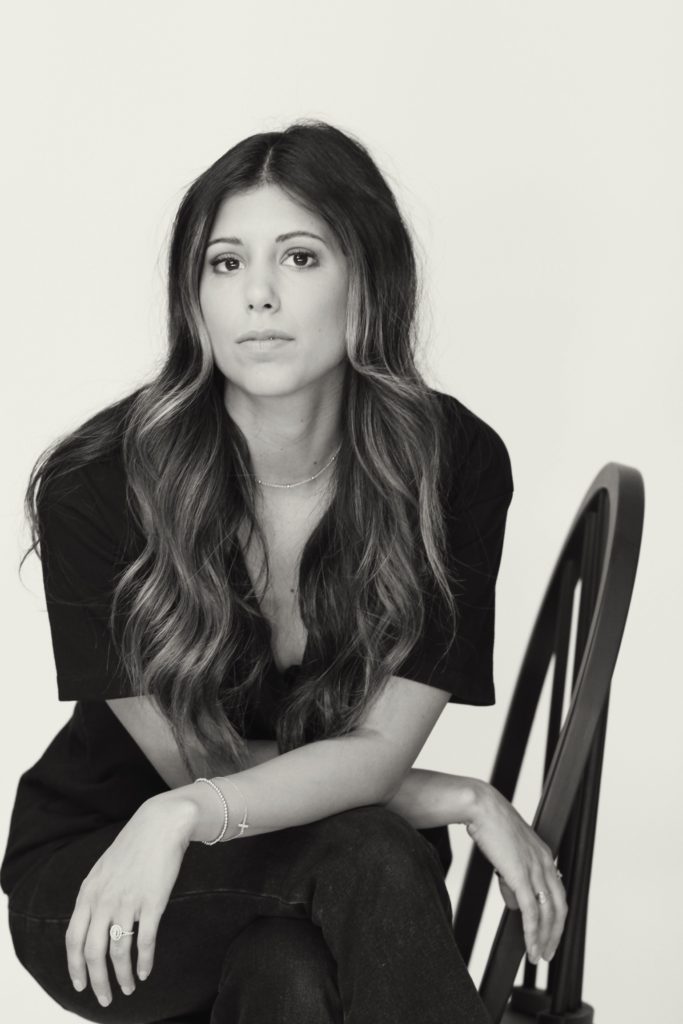
Isabella