
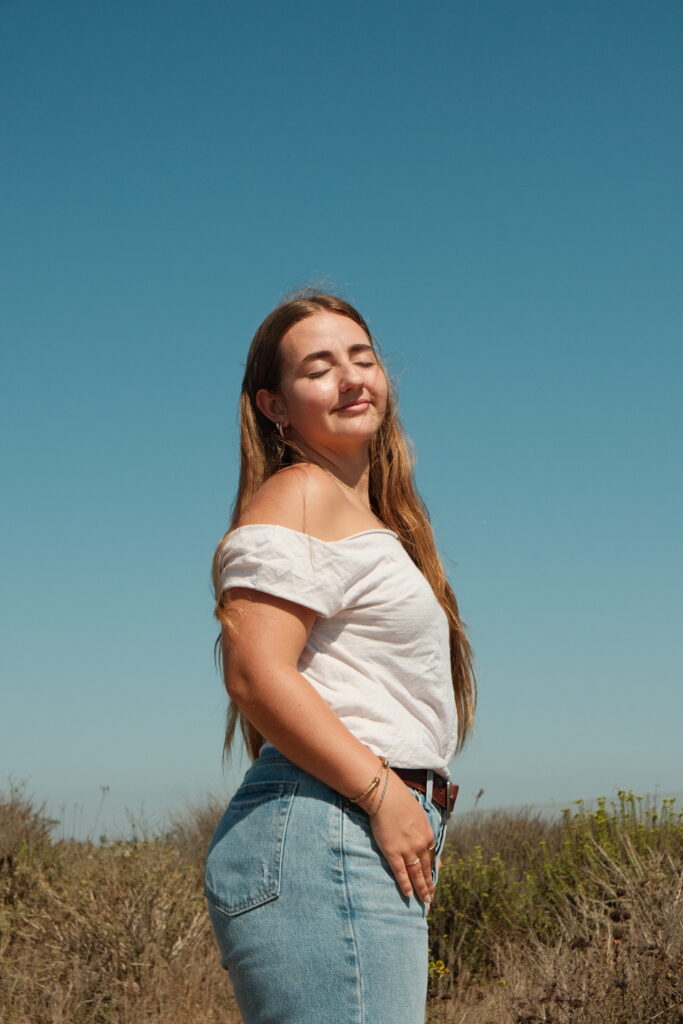
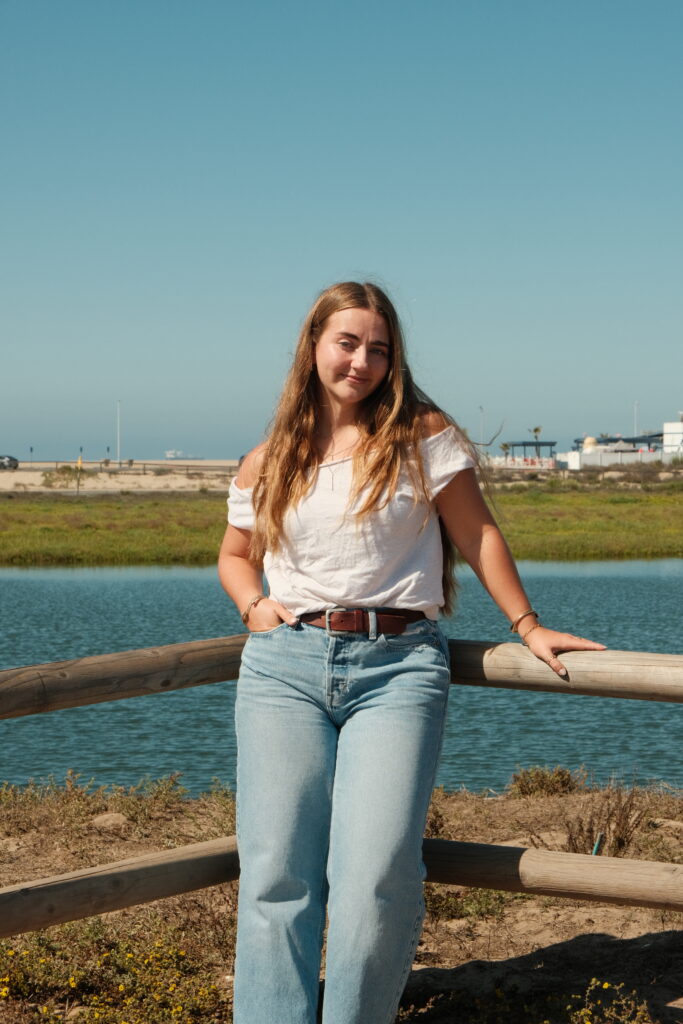
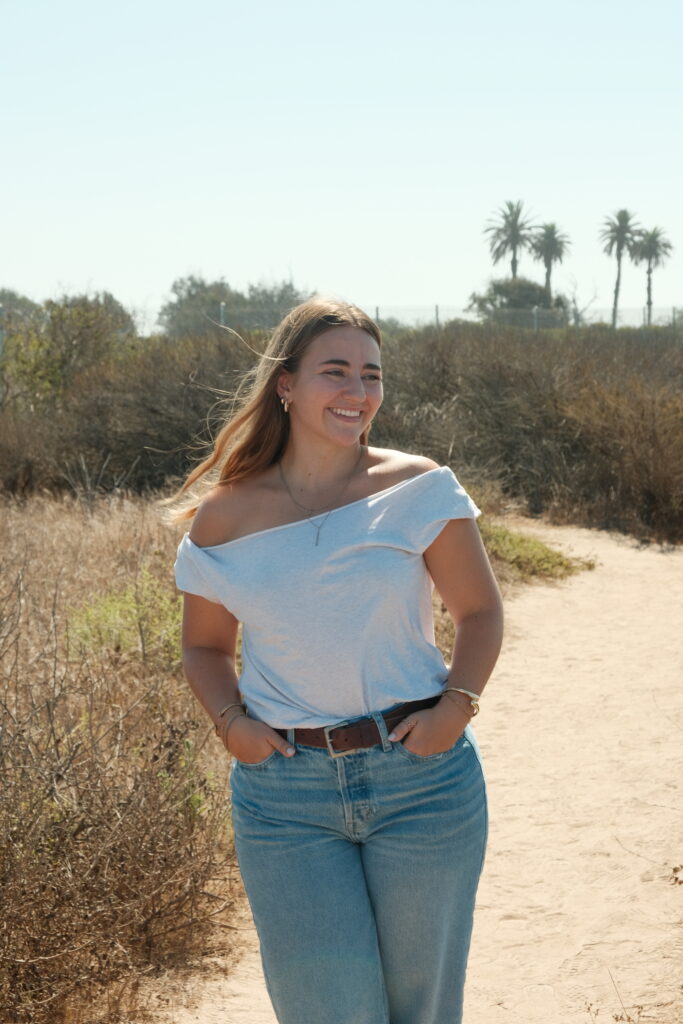
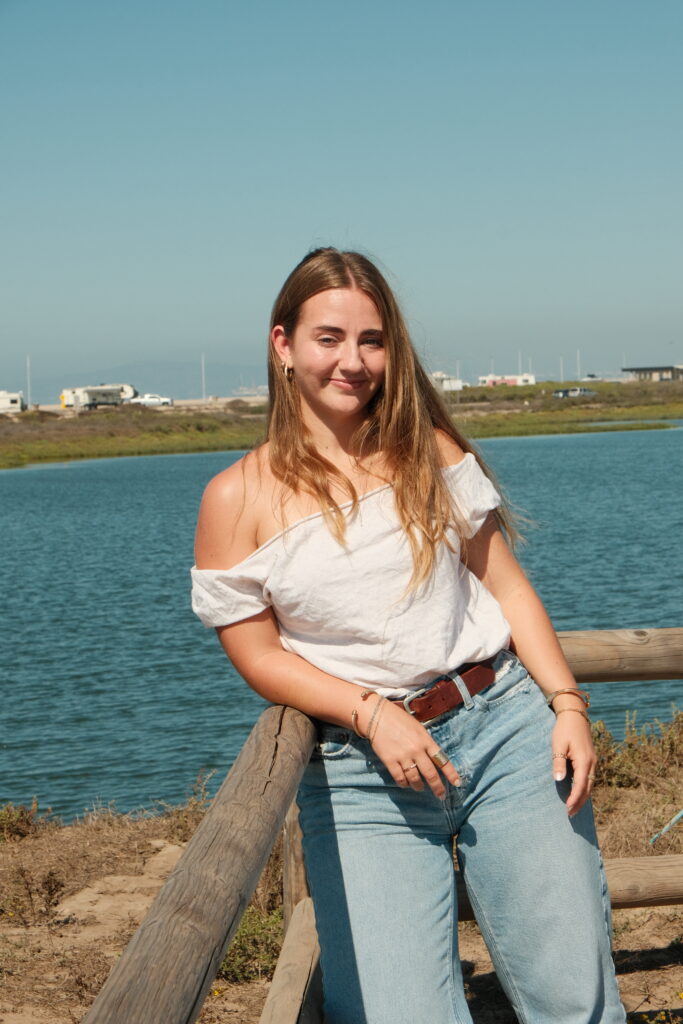
“When you’re a kid you get asked the same question by everyone you meet ‘What do you want to be when you grow up?’ The answer is usually something exciting, an astronaut or acrobat, a popstar or professional dancer, figure skater or fashion designer. When I was 10 I wanted to be a professional soccer player, when I was 11 I was diagnosed with a chronic illness. And questions that you should be asking a child, like what do you want to be when you grow up, and what color beads do you want for your friendship bracelet, turned into much heavier questions. ‘Can you rate your pain on a scale of 1-10?’ ‘Can you point to everywhere that it hurts?’ ‘How has your quality of life changed since your diagnosis?’
Topics of conversation changed from jump rope and stick figure drawings to bloodwork and treatment. I didn’t want to be a professional athlete anymore, I wanted to be normal.
And that is something I have battled heavily in my journey, this desire for normalcy. What does that even mean, normal? My ‘normal’ for a long time has been pain. Achy joints and sore muscles. Stomach aches from medication, heartburn, throbbing headaches and tender spots where I was poked again and again for blood draws. And when I was younger I did everything I could to hide this pain, because I was so scared of not being ‘normal,’ of being different. But because I was so focused on being normal, I missed out on being me. I was obsessed with looking like everyone else and doing all the things everyone else did that I couldn’t do, and it took away valuable time, time I could have spent enjoying what I did have.
So I made the decision to do something that absolutely terrified me. And that was, to share who I was, all of who I was, with whoever was willing to listen. I started to share my story on social media. The real, raw, truth of what it looks like to live with a chronic illness. I was so scared that all of the things I was experiencing were setting me apart from others, but really I found a community of others just like me. A community of people to fight with, to laugh with, to share our stories of terribly abnormal symptoms and frustrating doctor’s appointments and weird ER encounters. I realized I wasn’t alone at all, people all across the world were experiencing the same things I was. I felt understood. There is so much power in that.
I no longer wanted to be normal, I knew that wasn’t in the cards for me, at least the normal I was striving to be. But I became so proud of what I was. Strong, resilient, joyful through pain, funny, kind, able to connect with others, compassionate, loved by Jesus, witty, loving! And when I started to focus on who I already was and what I already had, instead of striving to be something I wasn’t, everything got a little brighter. I believe that is the best thing we can do in this crazy life, look for the bright spots!
My health problems will always be a part of me, sometimes they’ll be harder to handle, bigger, scarier. Sometimes they’ll be calmer, easier. But no matter what, I’m not going to waste my time trying to be ‘normal.'”
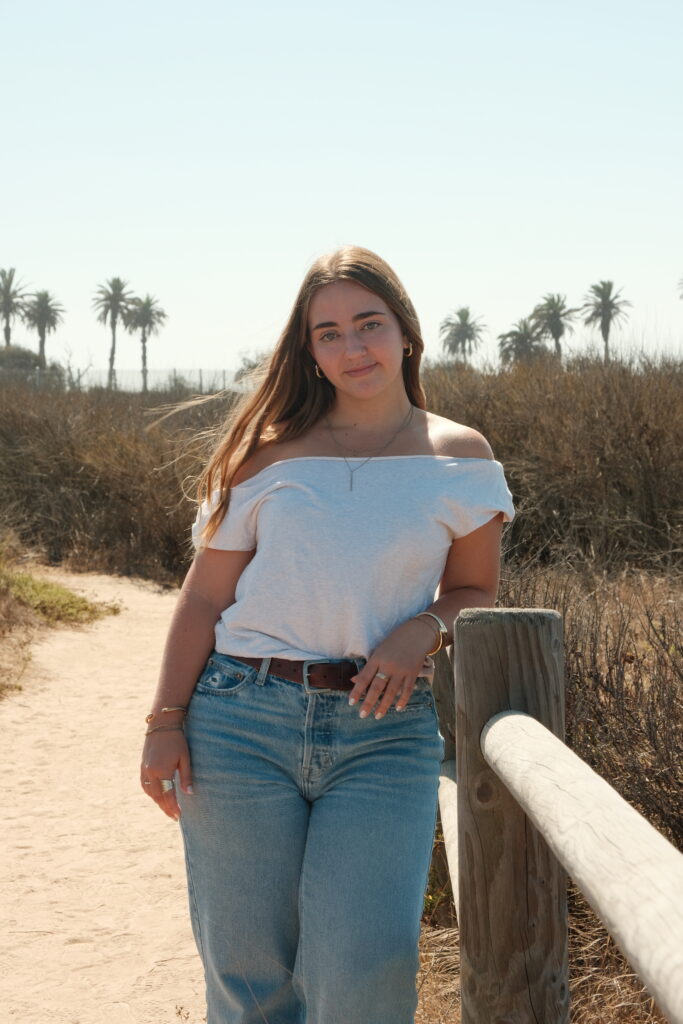
Hannah